

Toronto Considers Land Transfer Tax Increase
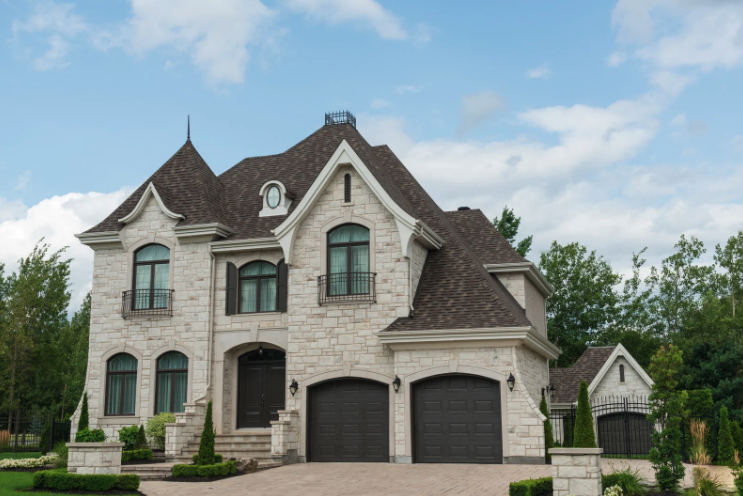
As Toronto City Council evaluates a proposal to increase the municipal land transfer tax (MLTT) on higher-value properties, there is rising concern among residents about the city's reliance on this revenue stream. The Toronto Regional Real Estate Board (TRREB) recently conducted polling showing that many Toronto residents feel the burden of these taxes is already too heavy, particularly as housing affordability continues to be a significant issue. While the city argues that taxing luxury properties more heavily will help fund municipal services without burdening working- and middle-class families, critics are wary of the consequences, especially as home prices in Toronto continue to soar.
The proposal aims to introduce higher graduated rates for properties valued over $3 million, with the idea that those purchasing luxury homes should contribute more to the city's coffers. The office justifies this by pointing out that only a small percentage of buyers—around 2%—would be impacted by the new tax rates, which would range from 4.4% to 8.6% depending on the value of the property. The revenue generated, according to proponents, would help offset the financial challenges faced by the city, particularly as it grapples with economic uncertainty. However, while the increase in taxes would only incrementally raise the cost of buying luxury homes, the proposal has raised concerns among those who believe that Toronto’s housing taxes are already too high.
On the other side of the debate, critics argue that increasing the MLTT will only worsen housing affordability for all residents, not just luxury homebuyers. TRREB has pointed out that Toronto already has one of the highest land transfer tax burdens in North America, with an average homebuyer paying upwards of $34,000 in combined municipal and provincial land transfer taxes. Many buyers, especially first-time buyers, are already struggling with the high upfront costs, which are exacerbated by taxes that haven’t been updated in years. TRREB warns that further hikes in the MLTT could suppress housing supply, as homeowners may be less inclined to sell their properties, exacerbating competition for entry-level homes and making affordability even more elusive for Toronto's residents.